1. Quiet, private arrival
The crew can arrive in an unmarked vehicle and work without drawing attention if the owner prefers.
Elkader, IA · Clayton County
Business owners in Elkader who find syringes in a restroom or storeroom can call (877) 812-4220. A cleanup team can remove sharps and residue and clean the room before it reopens.
If anyone is in danger, call 911 first. For a suicide crisis, call or text 988.
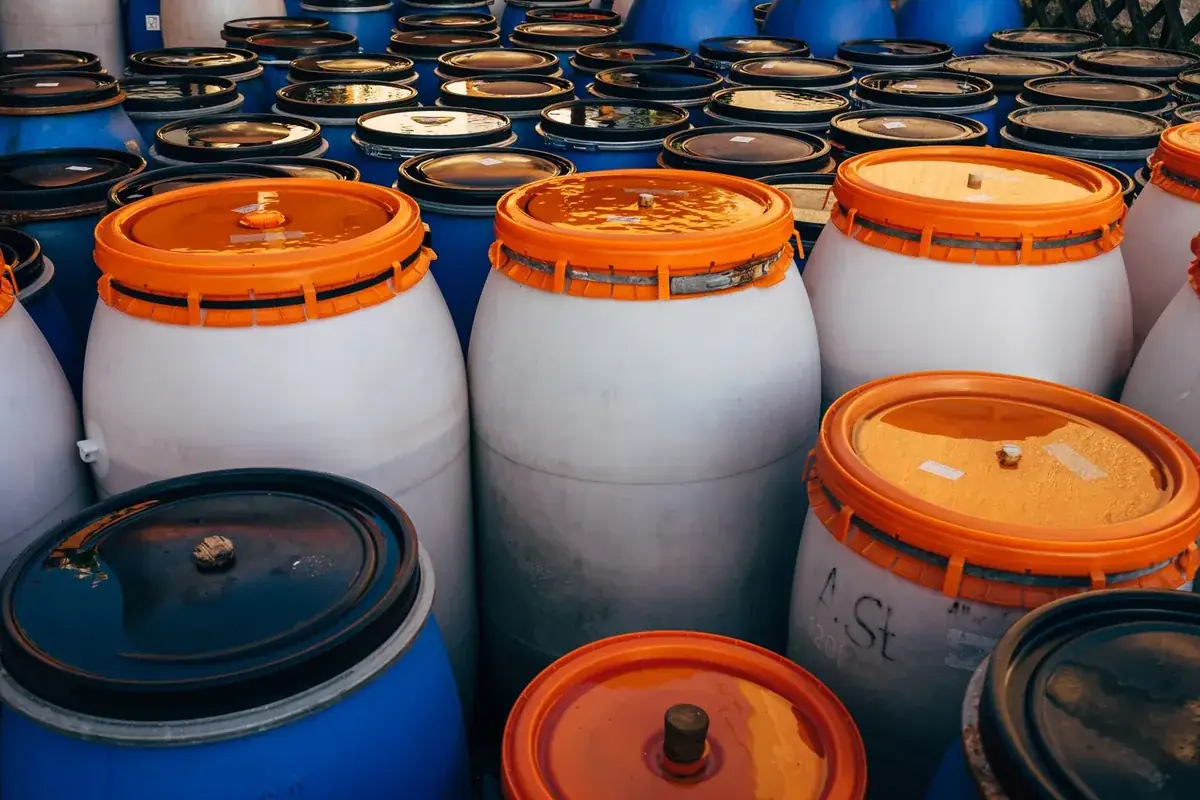
Drug use cleanup is different from drug lab cleanup. It focuses on items and residue left by use, while a site where drugs were made has its own testing and clearance steps.
If you are unsure whether your space in Elkader needs cleaning, you can talk with Elkader Biohazard Cleanup Help about it in Clayton County. The team helps sort out what is paraphernalia cleanup and what may call for more testing.
Vacant housing is about 15% of homes in Clayton County. Empty buildings can hold hidden syringes and residue, and owners often check them before repairs or sales. Tell the doctor where the exposure happened. Mercyone Elkader Medical Center, about 2 miles from Elkader, can evaluate people who may have been exposed.
A typical drug paraphernalia cleanup job includes:
The crew can arrive in an unmarked vehicle and work without drawing attention if the owner prefers.
Crews put on gloves, eye protection and respirators when needed, then search every room for sharps and other items.
Hospital-grade disinfectants go on hard surfaces. Odor treatment follows for lingering smells.
The crew cleans, checks, and walks the owner through what was done and what still needs attention.
The cost of drug paraphernalia cleanup in Elkader, IA depends on the amount of material, how it is packed and how it is hauled.
Documentation for a landlord, insurer or buyer can add some time, so tell the team up front if you will need it.
| Type of job | Typical range |
|---|
Estimates only, not a quote. Sources: . Price drivers include amount of material, whether residue is present, surfaces affected, waste disposal. Call (877) 812-4220 to talk through the job.
Police and the city do not usually clean the space afterward. The owner or the family books the cleanup once the scene is released. A cleanup team can work after the release and explain the steps. Ask the agency when the space is cleared.
Loose syringes should never go in household trash, because they can stab sanitation workers. Other items may carry residue. A cleanup team seals and disposes of everything the safe way.
Some residues can harm people who touch them, and you cannot tell by looking which ones. That is why gloves are not a substitute for professional cleanup. If skin touches something unknown, wash with soap and water and call Poison Control.
In many cases the person who calls does not need to be at the property. Ask the team how access and keys can be arranged. If you are out of town, say so when you call. Many teams can arrive in an unmarked vehicle.
No. Drug paraphernalia cleanup removes used items and cleans surfaces. A site where drugs were made is a different job with its own testing and clearance steps. If you think drugs were made in the home, say so when you call.
No. A good team asks only what it needs to plan the work, and you decide what to share. If privacy matters, ask about discreet, unmarked arrival when you call. Teams differ, so ask how the call and the visit are handled.
Describe what you found and ask how removal and cleaning would work.
Call (877) 812-4220